Liquid Glass: Why Did Apple Choose Controversial UI as the Face of the Future?
Jun 10, 2025
WWDC 2025 brought a standout change to iOS 26: Liquid Glass.
Its shimmering, transparent UI certainly made a strong first impression, but it also sparked heated debate over readability, dividing user opinions.
I wanted to explore why Apple made this decision, looking beyond mere visual changes to speculate on their hidden intentions and future experiments.
I believe Liquid Glass goes beyond a simply 'prettier UI,' harboring a deeper intention from Apple.
1. Redefining the Interface-Content Relationship
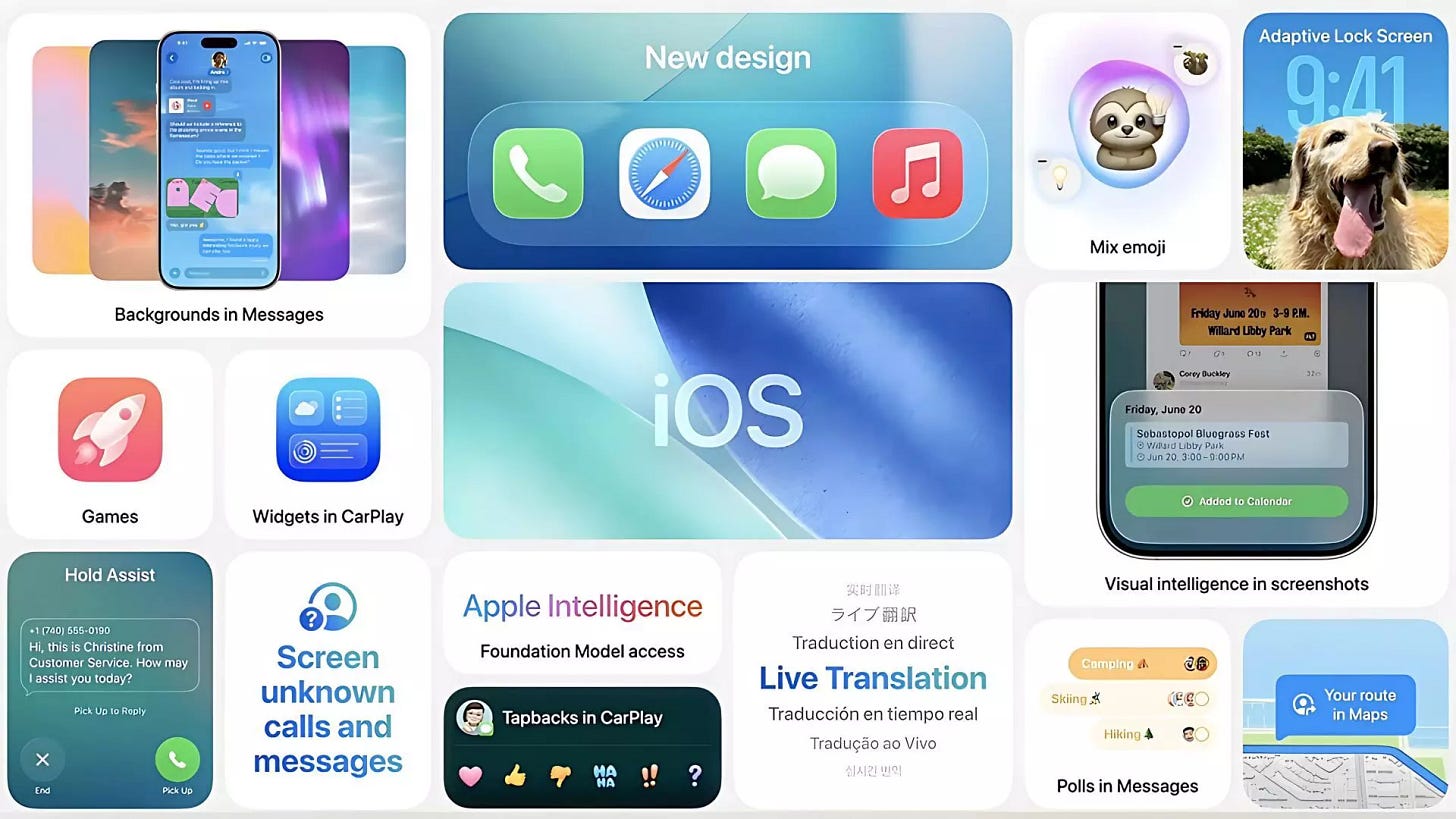
Apple mentioned their attempt to redefine the relationship between the interface and content through Liquid Glass. This Liquid Glass UI can be seen as a visual manifestation of their 'Fluidity' design philosophy.
It aims to maximize content immersion by having UI elements appear only when needed and disappear into the background otherwise.
ㅤ
2. Laying the Groundwork for Real-Time Responsive UI
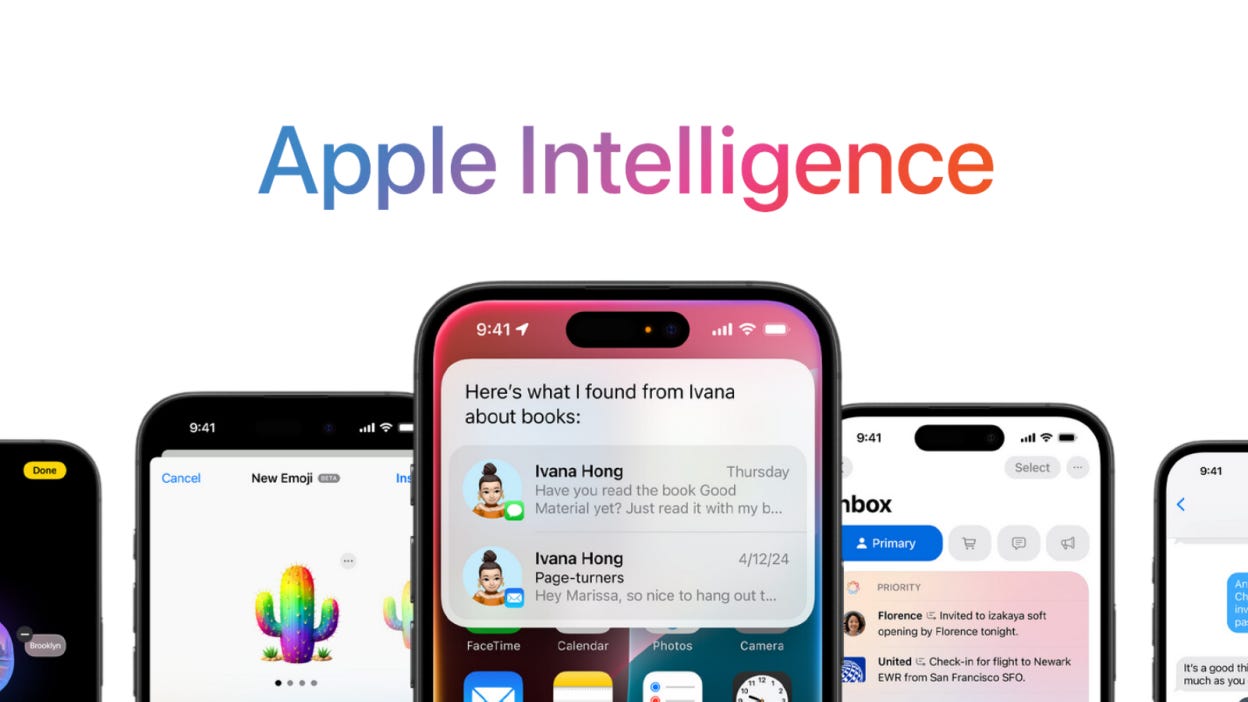
A particularly noteworthy aspect is that Liquid Glass is an experiment centered on 'real-time responsiveness.' I interpret this as a foundational step towards the dynamic and smart UIs required by AI-driven interfaces like Apple Intelligence.
It appears to be testing the feasibility of a systemic UI where transparency, blur, brightness, and text color automatically adjust in real-time based on context. In essence, it's an attempt to minimize the UI's presence and define moments when it should be invisible, embodying Apple's philosophy that "UI should be quiet.”
ㅤ
3. Testing a 'Digital Material' for Next-Gen Computing?
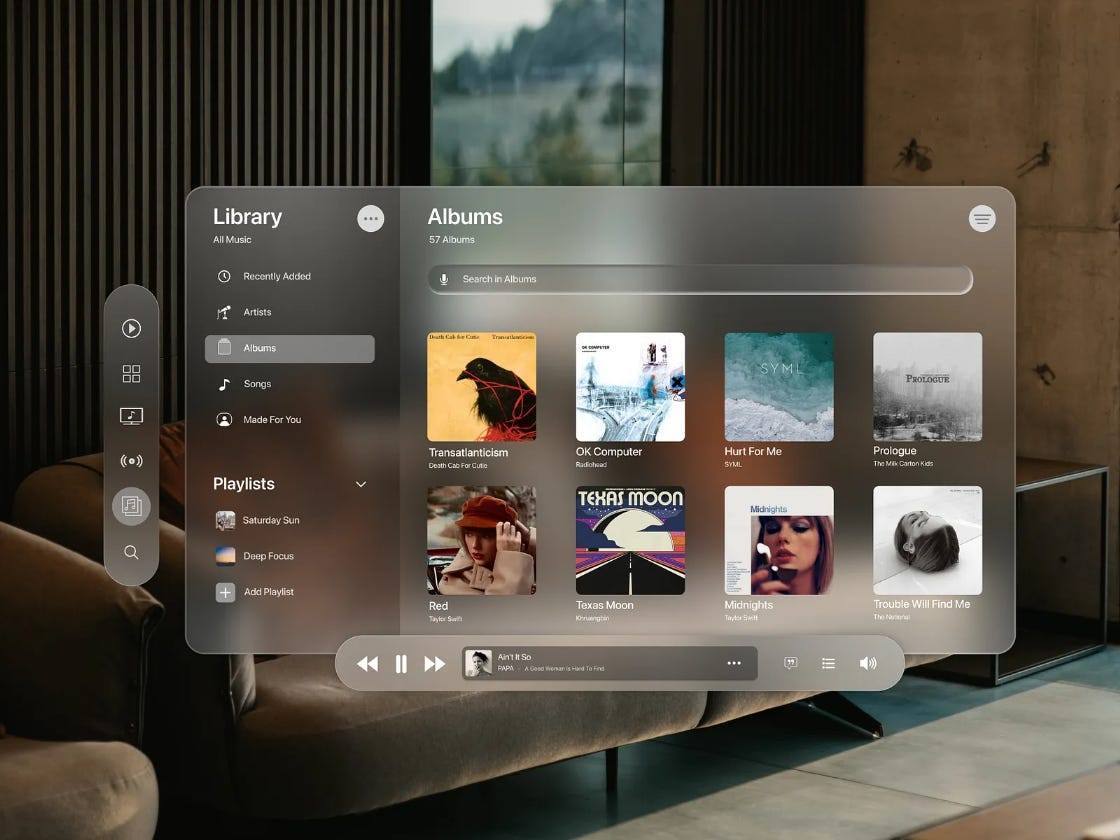
I also wonder if Liquid Glass is a testbed for a 'digital material' for next-generation computing experiences. The way translucent layers float above content, responding fluidly like water to scrolls and touches, seems to extend Vision Pro's spatial UI philosophy to the iPhone.
Could this be a preliminary experiment for the transition to AR/VR-based UX on smartphones? With rumors of Apple AR Glass aiming for a late 2026 launch, I suspect Apple might have felt the need for a unified ecosystem experience.
ㅤ
4. Driving Upgrades by Highlighting Hardware Performance
It appears Apple also wants to showcase hardware performance through Liquid Glass. Specifically, the powerful graphics processing capabilities of Apple Silicon chips and advanced display technology are essential for rendering Liquid Glass's complex and dynamic effects.
This suggests an intention to motivate users to upgrade to the latest devices by offering a truly enhanced Liquid Glass experience. It's a classic Apple strategy: software innovation driving hardware sales.
ㅤ
5. Brand Differentiation Through Emotional UX
In an era of intensifying AI competition, I believe Apple is seeking differentiation through 'human-centric' design and 'emotional' user experiences.
Beyond mere functionality, it could be a strategy to deepen users' emotional connection to the Apple ecosystem by providing enjoyment and immersion. By building a distinctive visual identity that's hard to imitate, they aim to prevent user churn and strengthen loyalty.
ㅤ
Why Was Liquid Glass Launched Despite the Controversy?
Currently, the Liquid Glass UI is facing criticism due to readability and performance issues. I, too, experienced stuttering and readability problems while using the iOS 26 beta.
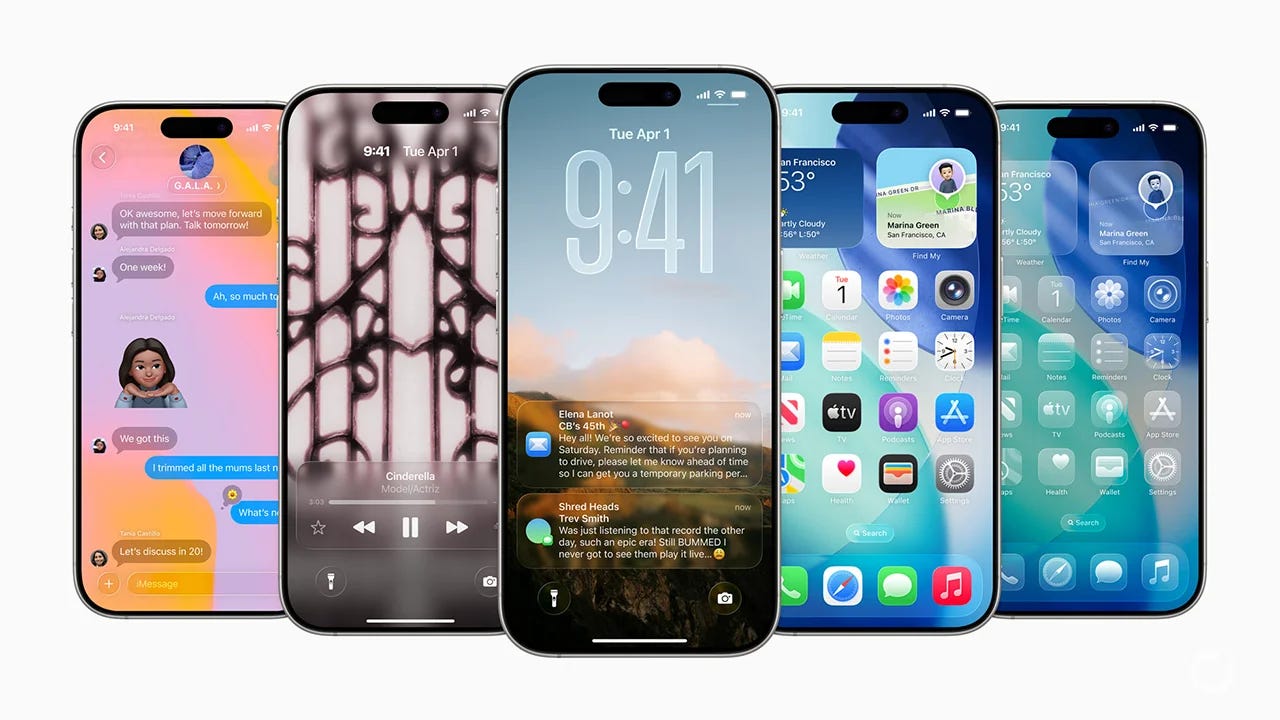
Given Apple's sensitivity to accessibility and quality, they surely wouldn't have been unaware of these issues. Nevertheless, they boldly released the beta version. I suspect the reasons are as follows:
ㅤ
Large-Scale User Feedback Collection
I believe Apple aims to gather extensive feedback from developers and users worldwide, who are using the beta in diverse environments. Perhaps it's a 'shock therapy' approach: creating controversy to attract more attention, which in turn helps them collect valuable feedback for improvement.
ㅤ
Evolution and Ecosystem Adaptation
Looking back, Apple has successfully integrated features that initially sparked controversy, like the removal of the headphone jack and the introduction of Dynamic Island. It seems they are confident that Liquid Glass, too, will evolve beyond its initial inconveniences as user feedback is incorporated and technology advances.
Furthermore, the simultaneous update of the Design Guidelines (HIG) alongside the iOS 26 beta suggests they want designers and developers to familiarize themselves with this new material and UX style in advance, turning the entire ecosystem into a testbed for the future.
ㅤ
Conclusion: A Bold Experiment, But Improvement is Essential
In conclusion, I see Liquid Glass as more than just a UI change.
It's Apple's audacious experiment to build an intelligent and immersive interface for the AI era, proposing a new paradigm for future computing environments.
However, I believe that the readability and performance issues evident in the current beta version absolutely must be addressed. I hope Apple actively incorporates user feedback to resolve these inconveniences by the official release.
What are your thoughts on Liquid Glass?
How do you foresee this change shaping Apple's future?